


Glasses & Frames
Our aim is to provide our patients with the best product to suit their lifestyle, whether it be a pair of spectacles or contact lenses. Each patient is treated as an individual and products dispensed accordingly.
Frames
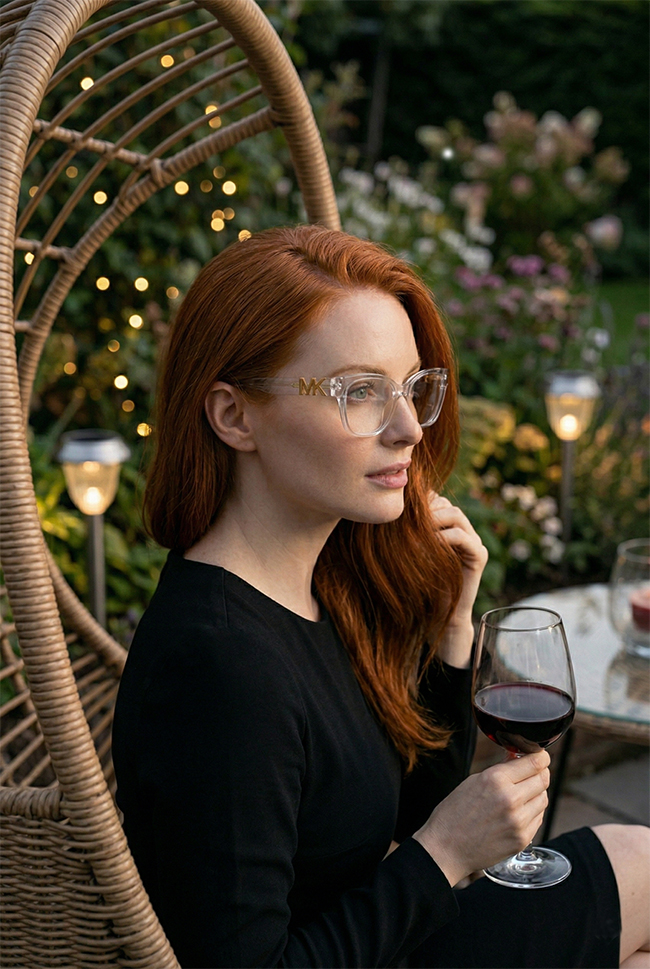
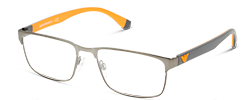
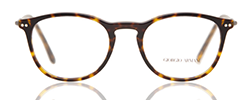
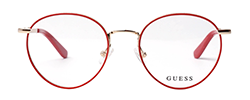
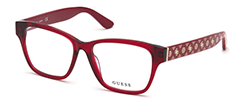
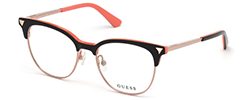
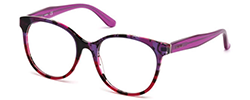
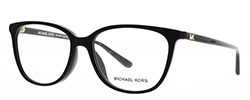
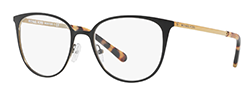
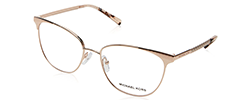
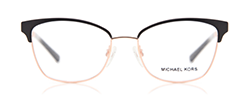
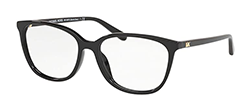
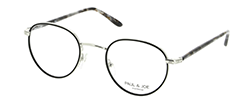
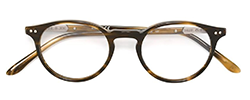
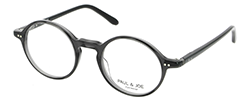
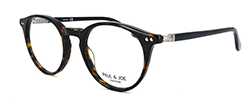
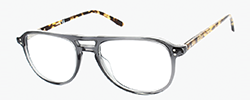
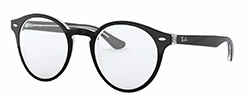
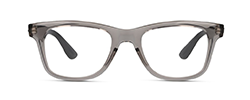
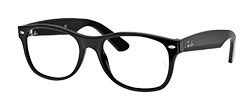
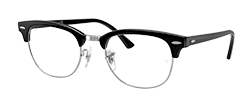
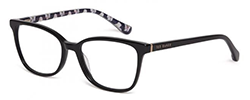
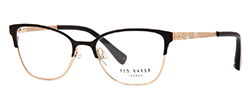
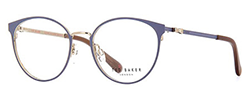
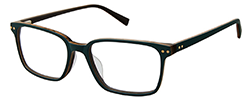
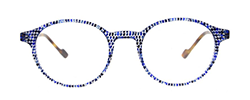
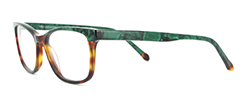
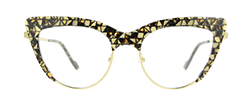
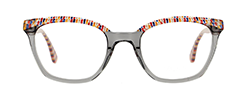
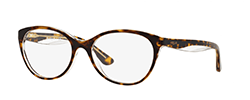
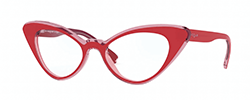
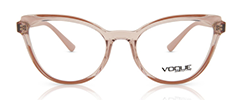
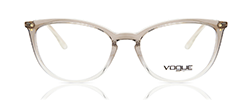
We stock an extensive range of frames catering for both NHS and private patients, ranging from budget to designer. Our featured designers are Guess, Armani, Vogue, Michael Kors and Ray Ban, but we do stock others, check in store for availability. We have fully qualified dispensing opticians to assist you with your frame and spectacle lenses ensuring you find the perfect look and fit for your lifestyle
Lenses
As independent opticians we specialise in an array of spectacle lenses. We are an approved Varilux Lens specialist and work a long side Essilor on the latest spectacle lens releases and technology. Our qualified dispensing opticians are happy to discuss lenses which are best suited to you personally for your lifestyle or occupational needs.
- Ultra Thin Lenses
- Varifocals and Bifocals
- Transition Lenses
- Scratch resistant Lenses
- Anti-reflection Lenses
- Specialised Driving Lenses from Road Pilot
- Sunwear








Sports Eyewear
Prescription eyeglasses, sunglasses and even on-the-job industrial safety glasses typically do not provide adequate protection for sports use.
Sports spectacles/goggles are made in a variety of shapes and sizes. Many are designed for racquet sports and are available for basketball and football. Some are even designed to fit in helmets used for American football, hockey and baseball. Sports goggles should allow the use of helmets when the sport calls for it.
Lenses in sports eyewear usually are made of polycarbonate or trivex material. Polycarbonate and Trivex are such an impact-resistant lens materials, they works well to protect eyes from fast-moving objects. Polycarbonate and Trivex also are Uv protective, blocking 100% of UVA up to 400nm — a valuable feature for outdoor sports.
Untreated lenses, however, can easily become scratched. For this reason, virtually all polycarbonate and trivex lenses for spectacles and sports eyewear include a scratch-resistant coating on both the front and back surface for added durability.
Most sport frames can accommodate both prescription and non-prescription lenses. Sport frames are constructed of highly impact-resistant plastic or polycarbonate, and most come with silicone padding to cushion the frame where it comes in contact with the temples, orbital bones and the nose area.
Some sports styles are contoured, wrapping slightly around the face. This type of goggle works well for cycling and sailing.
Contact lens wearers especially benefit from the wraparound style, as it helps keep out wind and foign bodies.
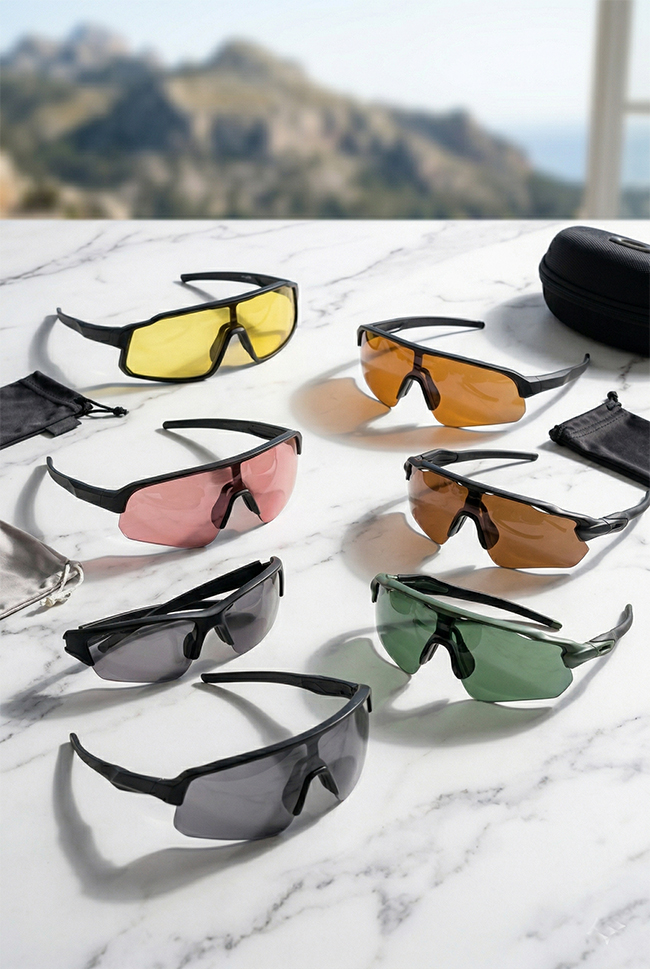
Coloured Lenses
Yellow or Orange
Heightens contrast in overcast, hazy, low-light conditions outdoors or for indoor sports. Filters blue light for sharper focus.
Sports: cycling, hunting, shooting, skiing, snowboarding, snowmobiling, indoor basketball, handball, racquetball, tennis.
Amber, Rose or Red
Heightens contrast in partly cloudy and sunny conditions, but causes significant colour imbalances.
Sports: cycling, fishing (amber lenses for sandy lake or stream beds), hunting, shooting, skiing, snowboarding, snowmobiling, water sports.
Dark Amber, Copper or Brown
Blocks high amounts of blue light to heighten contrast and visual acuity. Particularly useful to improve contrast on grass and against blue skies.
Sports: baseball, cycling, fishing (especially in waters with grassy bottoms), golf, hunting, skiing, water sports.
Green
Heightens contrast (mildly) while preserving colour balance.
Sports: baseball, golf.
Grey
Sports: all outdoor sports in bright light conditions.
There are Health & Safety laws to ensure that you are safe and protected when doing your job. All safety specs and goggles must comply with BSEN 166-7, British and European Standards, and there are different types of protection depending on the job you do. Some safety specs will stand up to impact while others are designed to resist heat.
Health & Safety at Work Regulations require your employer to identify and evaluate workplace risk. This is commonly undertaken by the company safety officer.
You may be then asked to go to a registered dispensing optician for the required protective eyewear to be measured, ordered and fitted.

Sunglasses
Polarised lenses can enhance your vision, colour contrast and visual comfort; together with blocking 100% of harmful UVA and UVB light emitted by the sun.
We've all experienced glare in our daily lives...perhaps spending the day at the beach, driving in a car with the sun reflecting off the dashboard, a wet road in bright daylight or the bonnet of your or oncoming cars.
Usually, this glare is irritating and uncomfortable on the eyes, but when the angle of reflection is just right, the glare can become unbearable and often dangerous whilst driving.
There are several types of tints/filters on the market for spectacles. Ordinary dip dyed tinted sunglasses' lenses only cut down on ambient light that reaches the eye, or, llight transmittance. By their very nature they cannot block glare. Only polarised lenses can block this.
To understand how, you will need to understand how polarised lenses work.
What is a Polarised Lens?
Polarised lenses are a laminated ophthalmic lens with tiny vertical stripes that only allow vertically angled light to enter the wearer's eyes.
Glare is emitted because the horizontal light waves cannot bypass the vertical laminated filter.
Sunglasses are often polarised to reduce glare from surfaces, such as light reflacting off a lake or the bonnet of a car, or the road in wet yet bright conditions.
Polarised Lens Benefits
Drivers, fishermen and photographers were some of the first to use polarised lenses. Reducing glare can ease the eye strain drivers feel from long hours on the road.
Fishermen can often see under the surface of the water using the lenses, which helps them to see fish or other objects. However, if you fish competitively they are usually banned due to gaining an advantage.
Photographers use polarising filters on camera lenses to enrich the images they capture by giving them more contrast and increase the range of effects they can produce. In addition to blocking glare, polarised lenses can also help you to see better by improving contrast and visual comfort.
